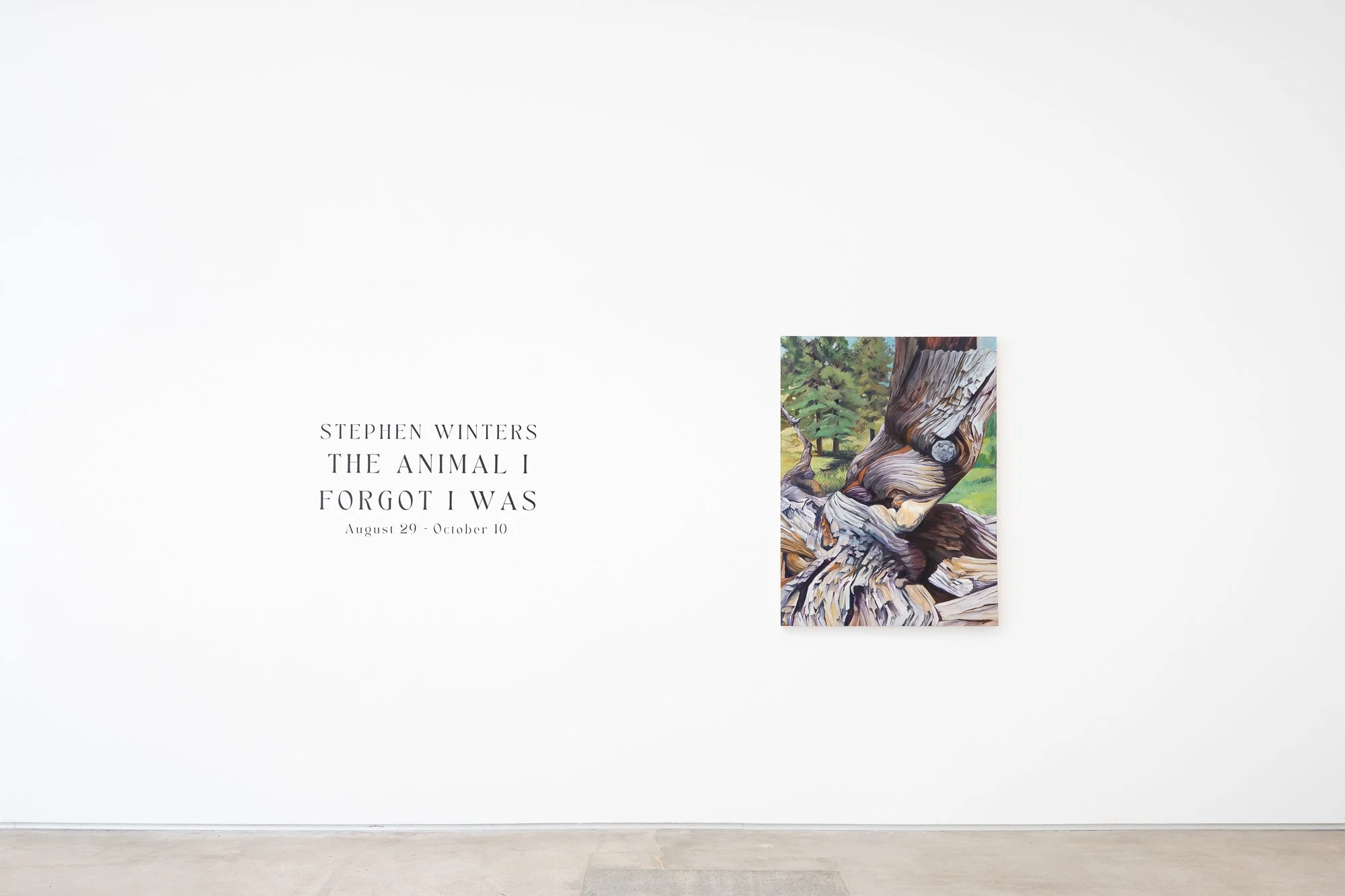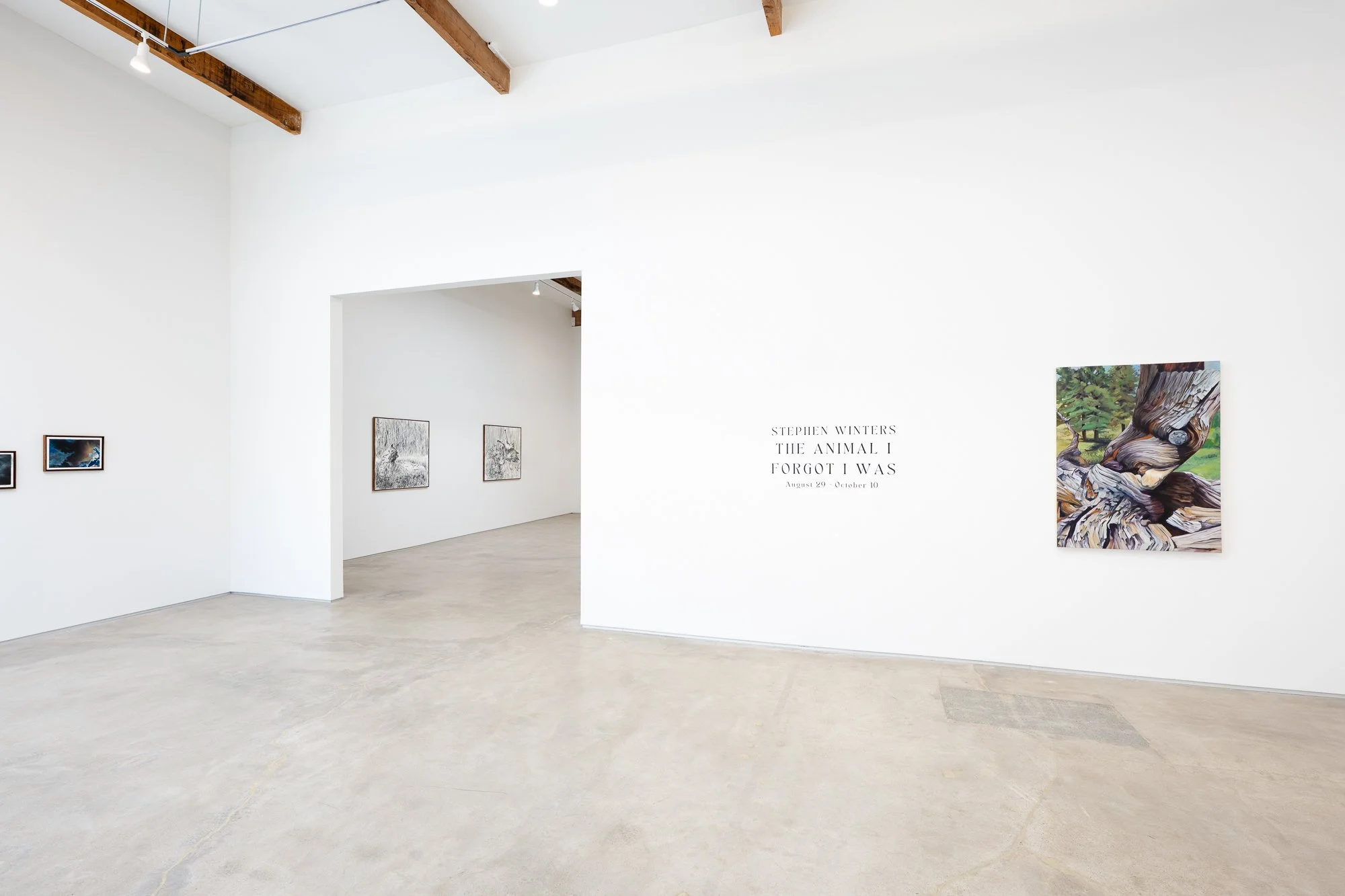

Stephen Winters: The Animal I Forgot I Was
August 29th – October 10th, 2026
Reception: August 29th, 5:30 PM – 7:30 PM
Artist Talk: September 19th, 10:30 -11:30
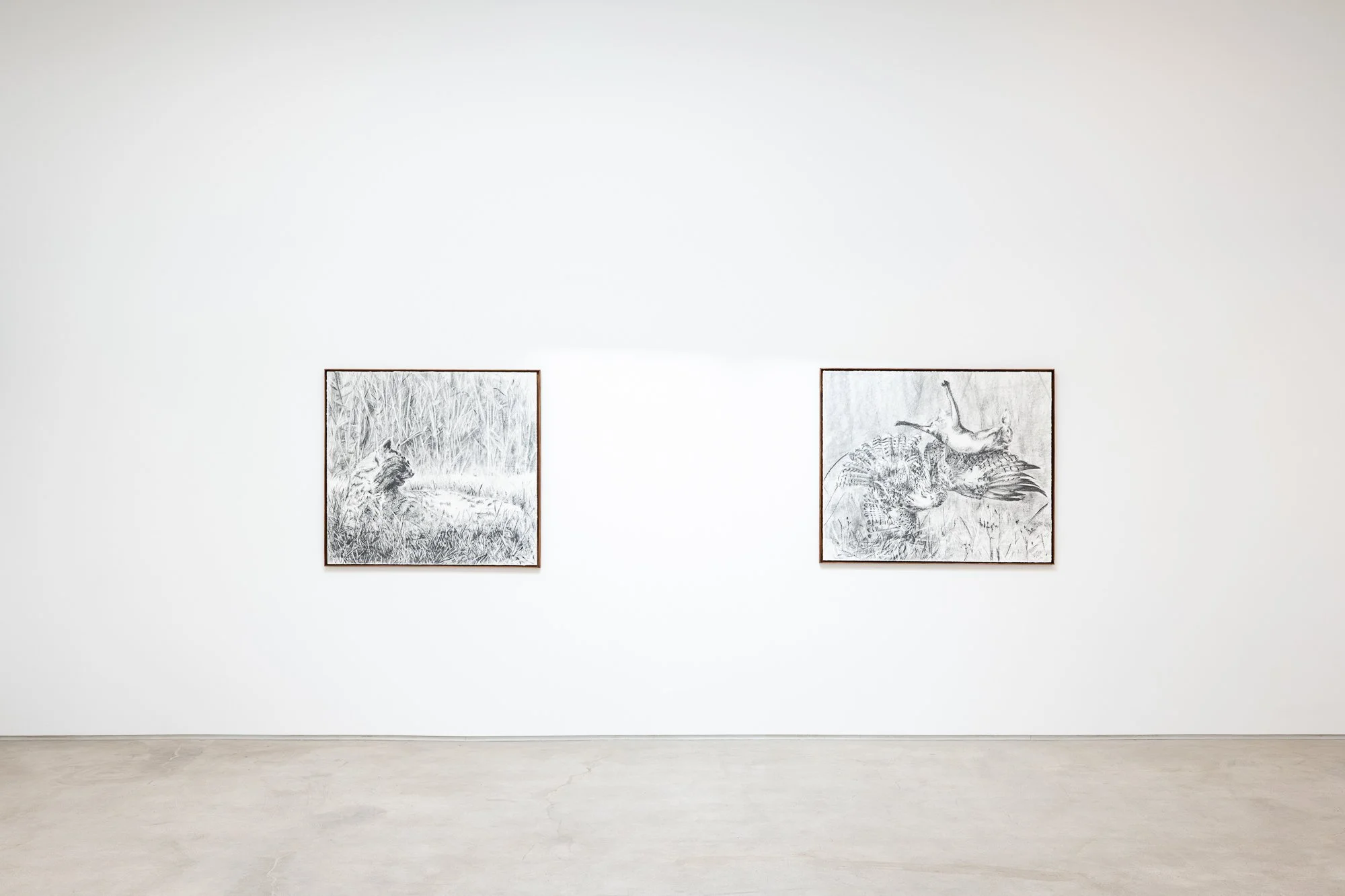
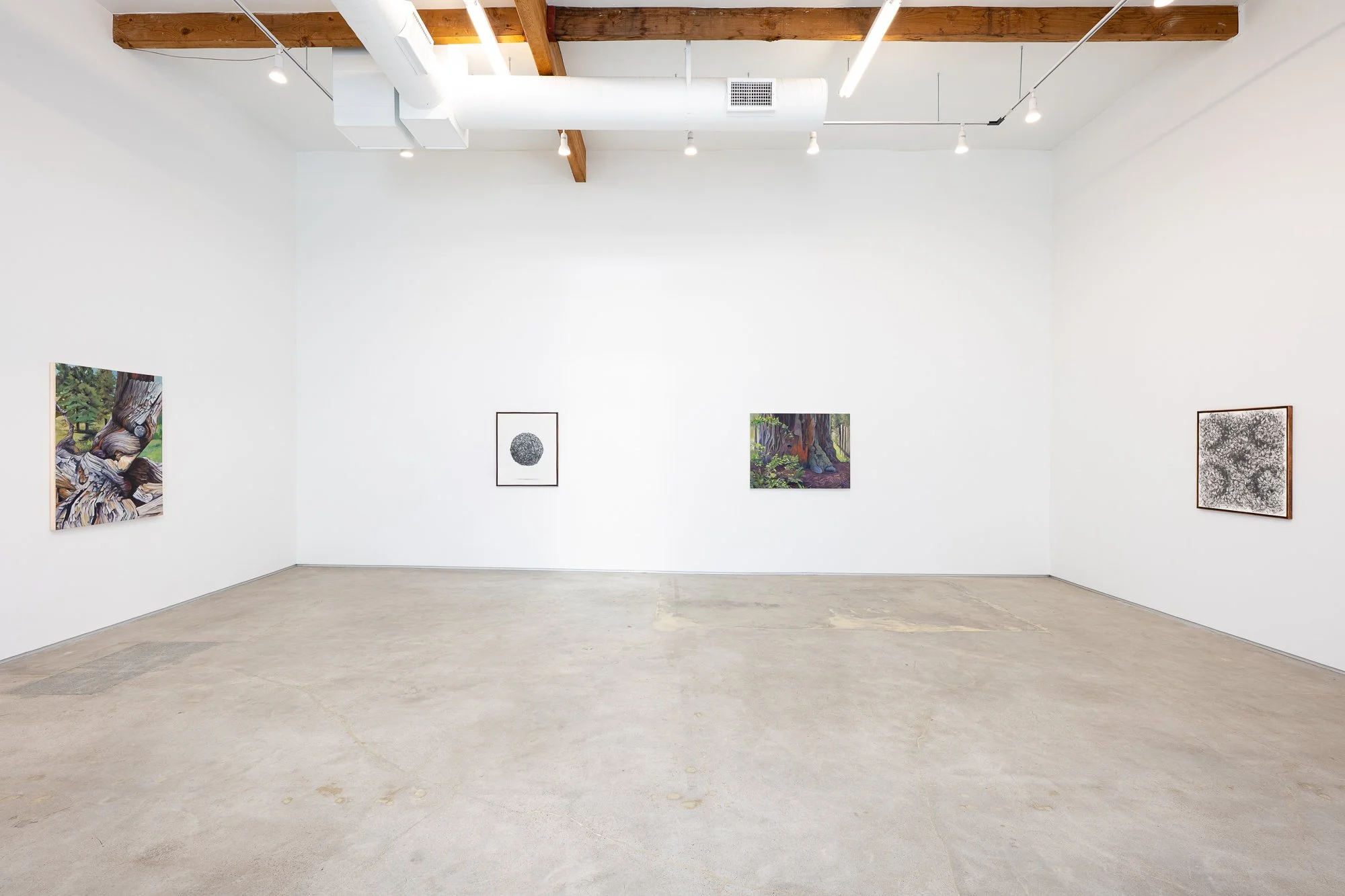
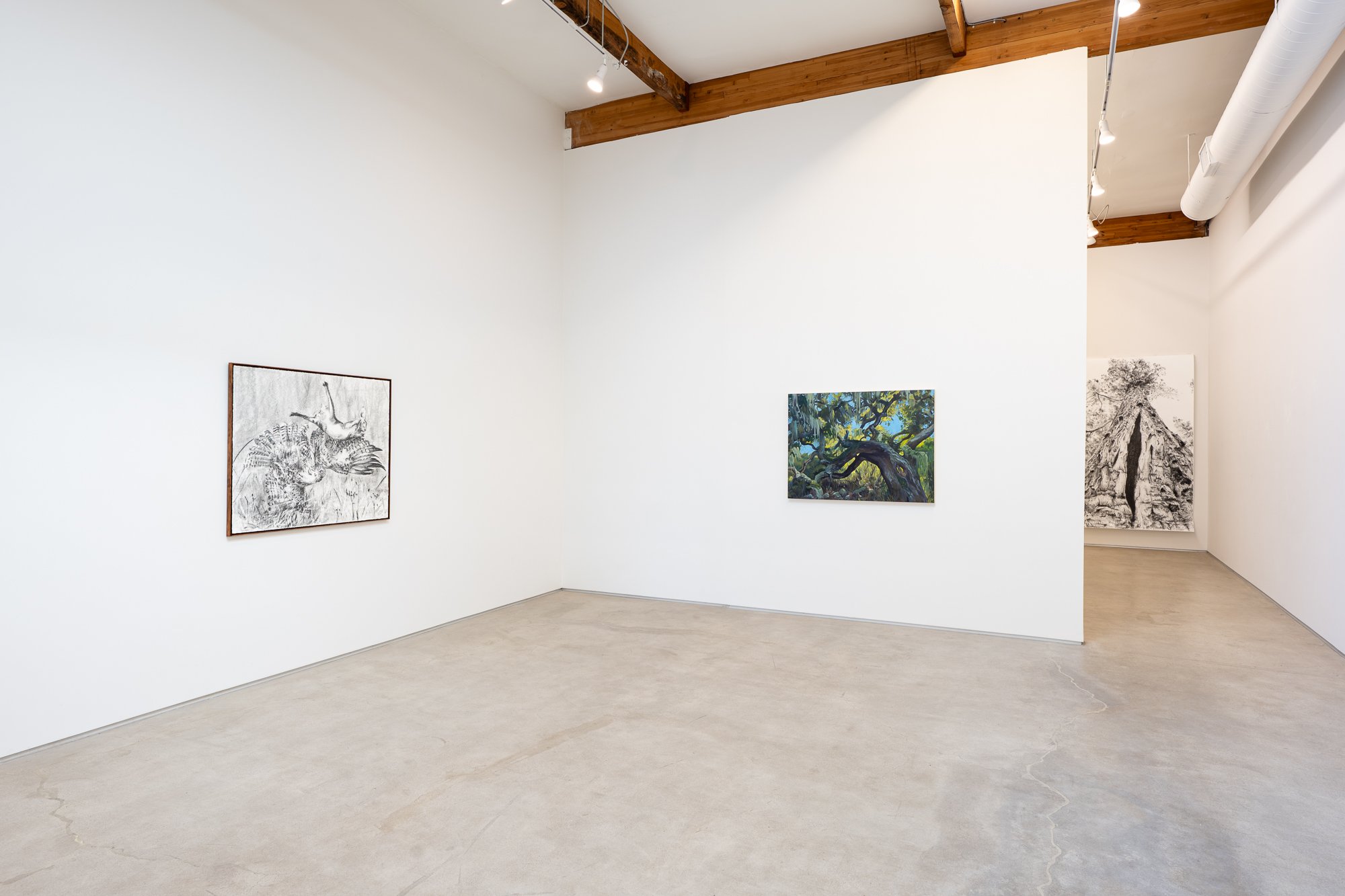
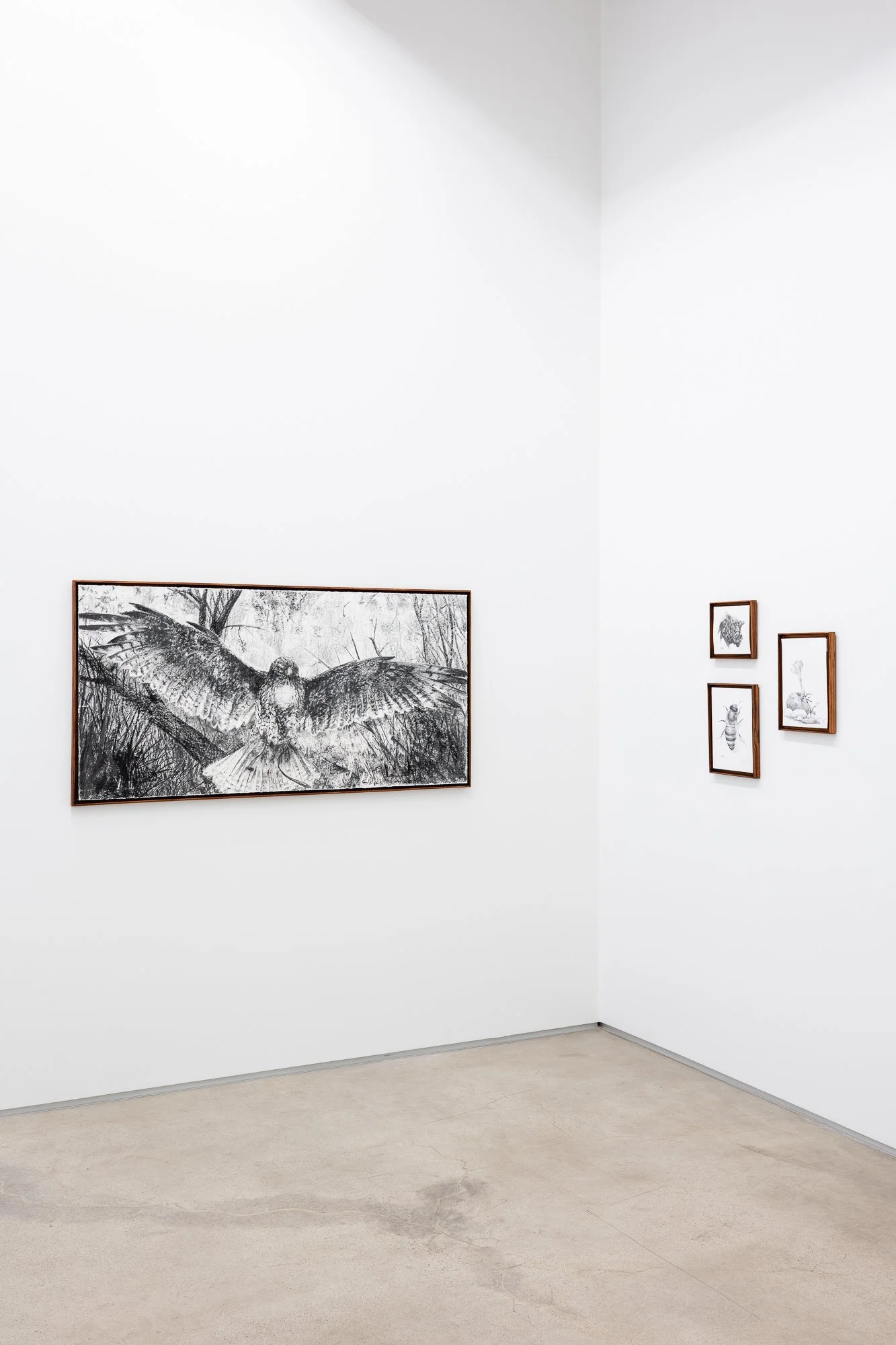
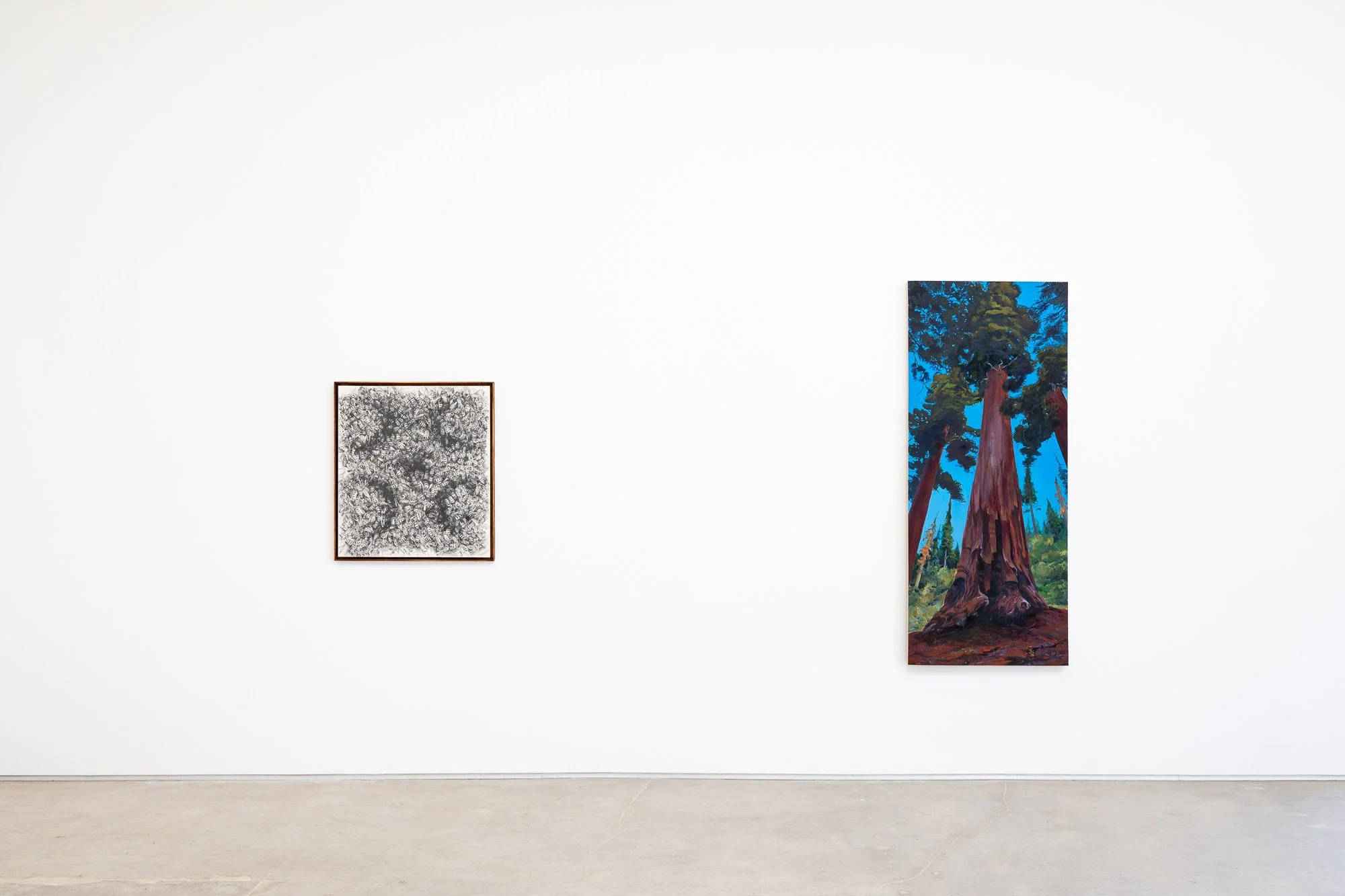
In collaboration with The Okihi Project, RAM presents The Animal I Forgot I Was, a new body of work by Stephen Winters exploring the interconnectedness of humans and the natural world through painting, drawing, sound, observation, and lived experience. The exhibition grows from Winters’ experience living within the riparian ecosystem of California’s Kern River, where daily observation of hawks, honeybees, owls, coyotes, rabbits, trees, water, and countless other forms of life has become a way of understanding the self as one animal among many. As an artist and licensed falconer, Winters brings thousands of hours of close observation of animals to the work, examining the intelligence, instinct, violence, vulnerability, and cooperation that shape both human and nonhuman life. “What began as observation gradually became participation—a way of understanding myself as one animal living among many.”
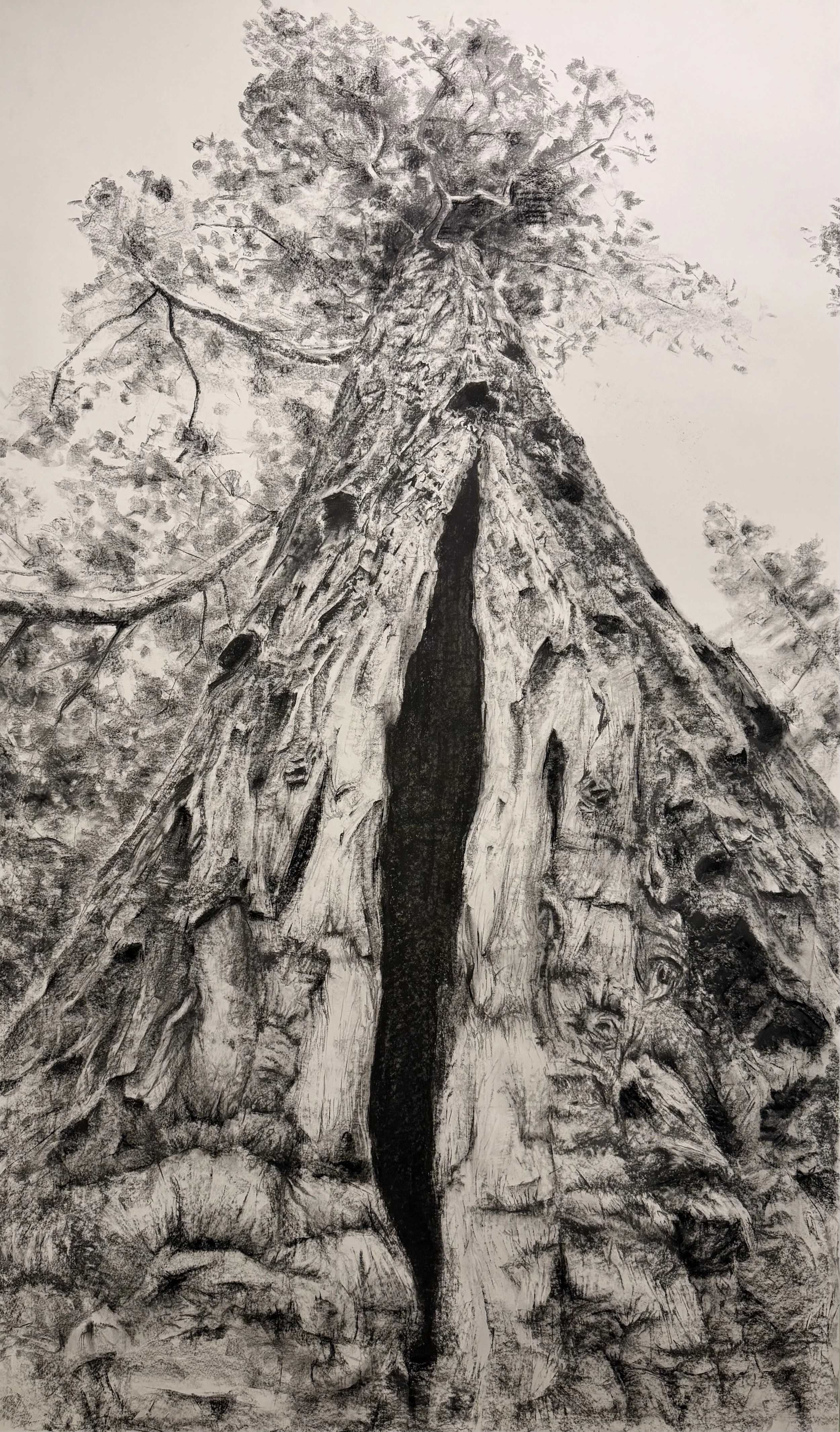
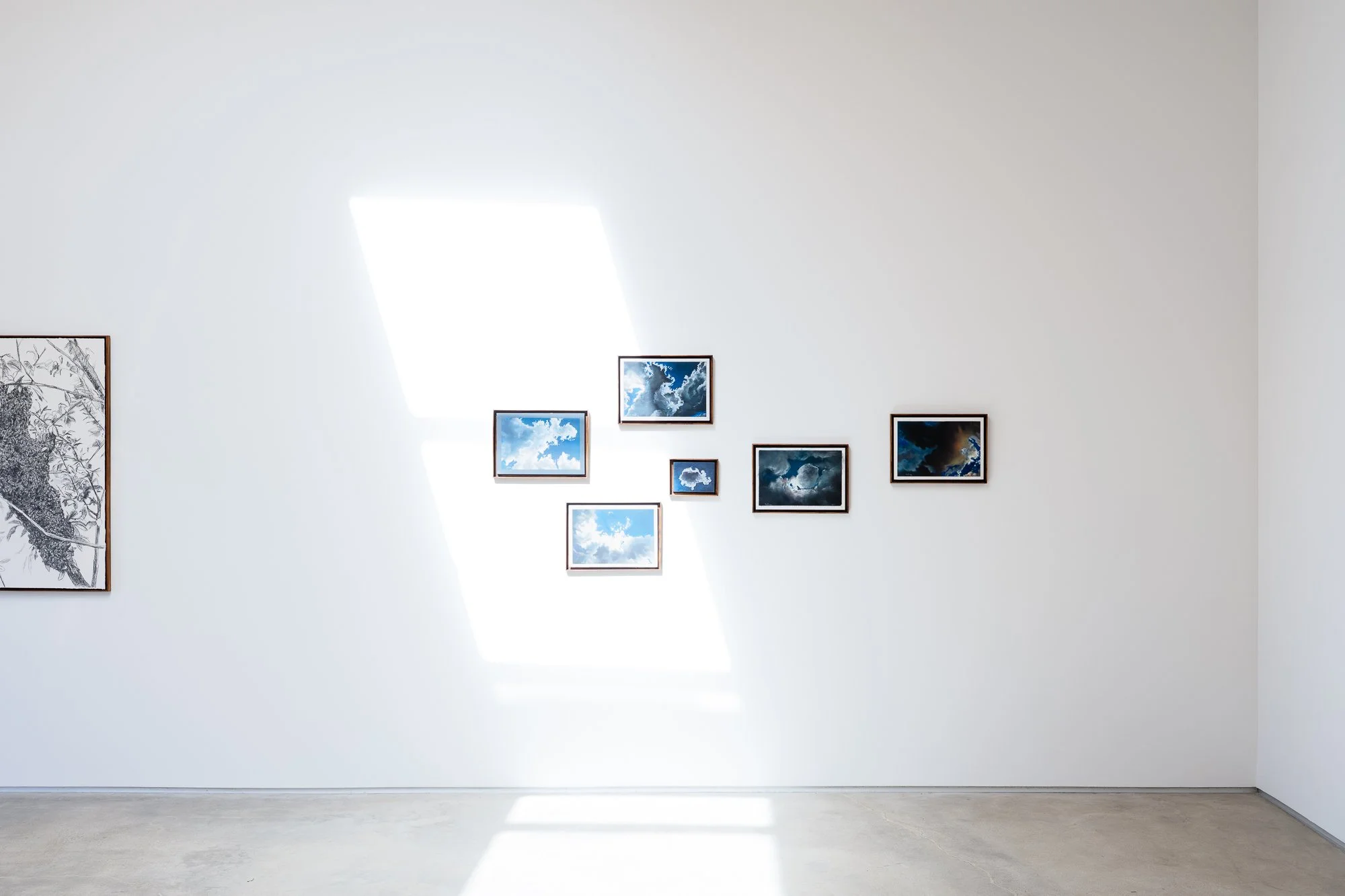
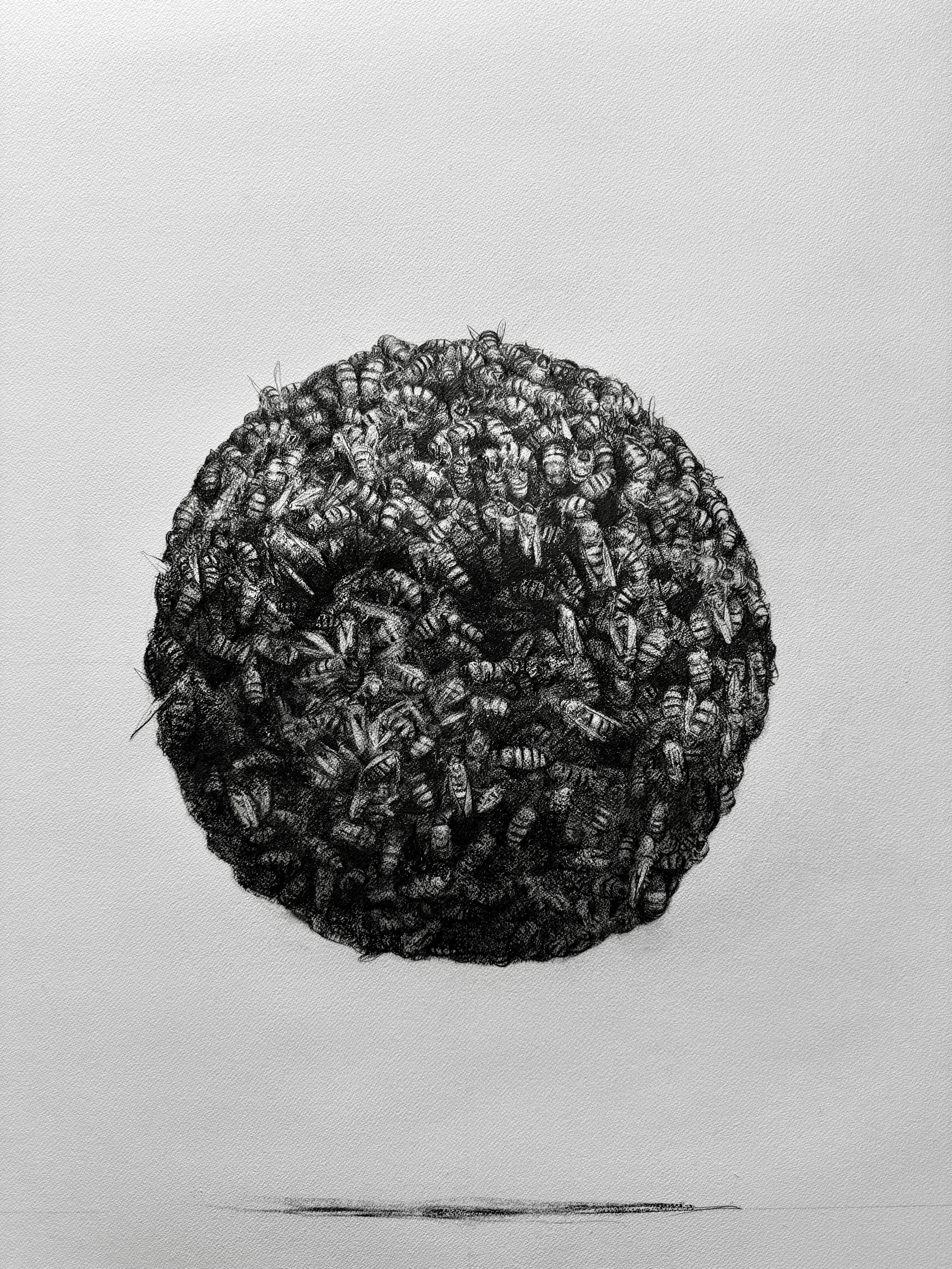
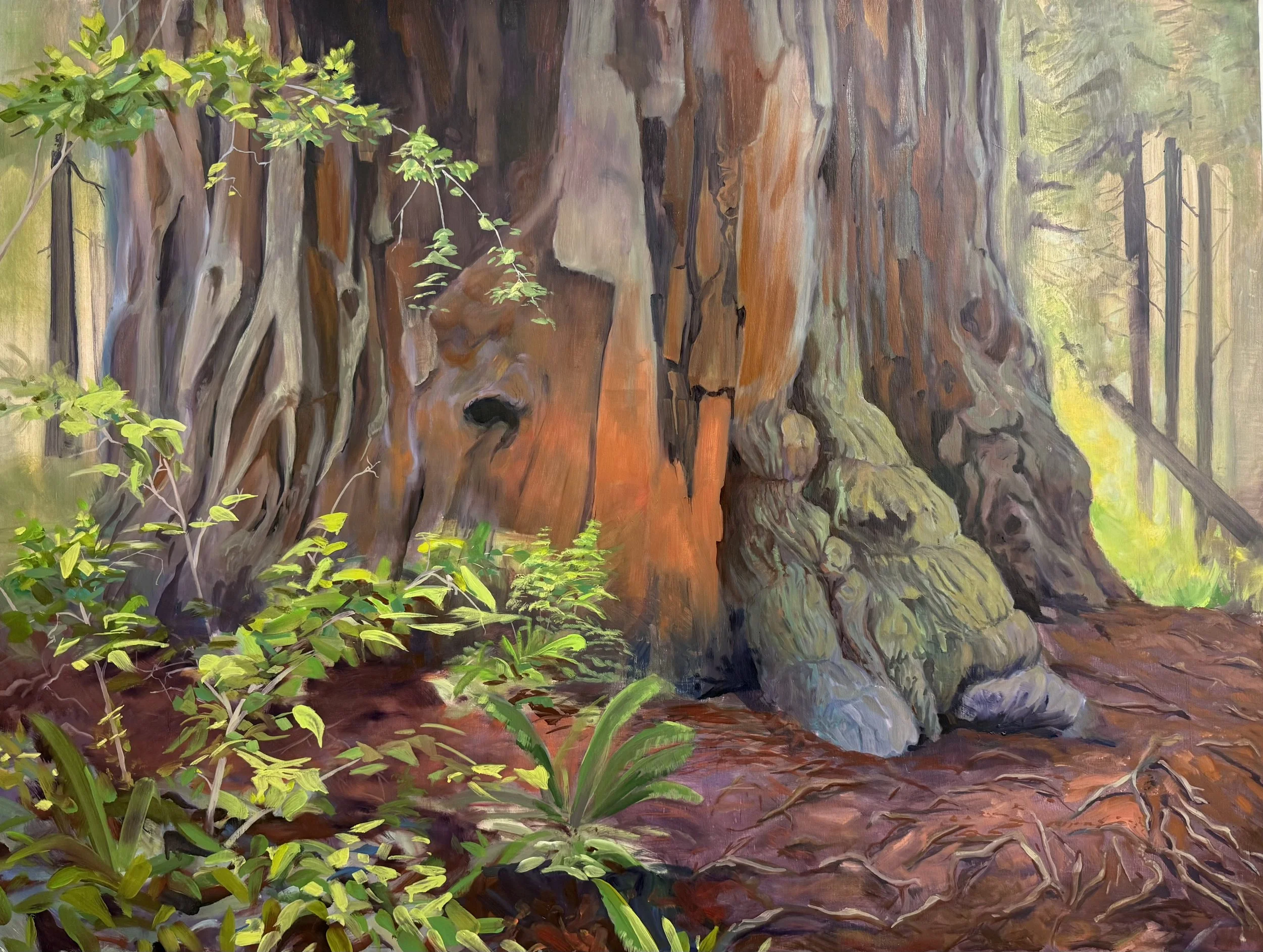
Through graphite drawing, painting, sound, and field observation, The Animal I Forgot I Was considers the boundary between human and nonhuman life and the point where one form begins to become another. Bees merge into swarms, animals disappear into grass, feathers become fields of marks, and trees take on the presence of bodies. Moving between close observation and abstraction, the works allow forms to emerge, dissolve, and reappear. The exhibition’s monumental drawings further shift the viewer’s sense of scale and perspective. A hawk’s head becomes a landscape, a tree trunk becomes a body, and graphite moves between feather, shadow, atmosphere, and terrain.
Sound is an integral part of the exhibition. Playing throughout the gallery is an original 40-minute ambient composition created by Winters in direct response to this body of work. The music extends the exhibition’s visual language into an immersive sonic experience, encouraging a slower and more attentive encounter with the work. The composition has been released as Winters’s first artist-created vinyl album in a limited edition of 50. Designed as an extension of the exhibition, the record features original artwork by Winters on both the vinyl and its bi-fold sleeve. Each album purchase also includes one complimentary ticket to the exhibition’s closing sound bath on Sunday, October 11th. Explore and preorder the limited-edition album.
At the center of The Animal I Forgot I Was is a larger question of what may have been forgotten by understanding humanity as separate from the rest of nature.
Stephen Winters (b. 1982, Rome, NY) is a Bakersfield-based artist whose work examines animal consciousness, ecological systems, and the unstable boundary between individual organisms and the environments they inhabit. For the past five years, Winters has lived and worked along California’s Kern River, where sustained observation of the riparian ecosystem has become central to his practice. His experiences with falconry, beekeeping, land stewardship, field recording, and close encounters with wildlife inform an evolving body of work that moves between careful observation and abstraction. Working primarily in monumental graphite drawing, painting, and sound, Winters depicts animals, swarms, trees, weather, and other natural forms as parts of larger interconnected systems. Individual bodies dissolve into habitat, collective organisms become singular forms, and recognizable imagery shifts into fields of movement, pattern, and mark.
Winters received his BFA from the School of the Art Institute of Chicago in 2007, where he studied painting and sculpture. He later apprenticed with sculptor Evan Lewis and artist and designer Brian Kerrigan. His practice has included exhibitions, commissions, public projects, and interdisciplinary environmental programming. In 2022, he received a California Arts Council grant supporting a public installation at Okihi, a 14-acre environmental and educational site along the Kern River. Winters also serves in a leadership role with the The Okihi Project, whose work integrates environmental education, arts programming, land stewardship, and community engagement.